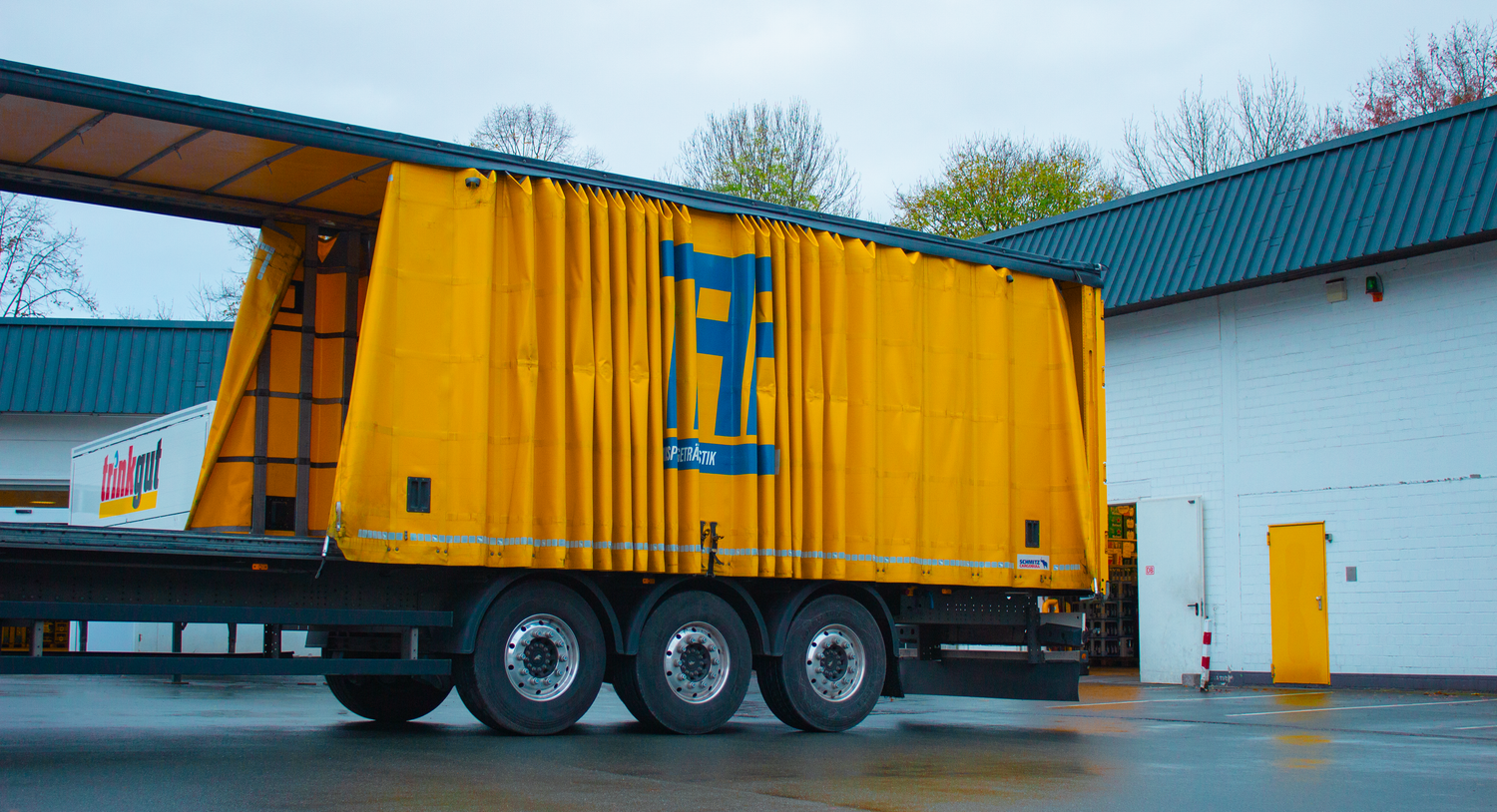
When a load is too tall, too wide, too long, or too heavy for a standard trailer, it enters the world of heavy haul — a specialty where the trailer is the easy part and the planning is everything.
What makes freight "oversize" or "overweight"
Legal limits vary by state, but a load generally becomes oversize when it exceeds roughly 8.5 feet wide, 13.5 feet tall, or 53 feet long, and overweight above 80,000 pounds gross. Cross any of those lines and you need permits — often a different permit for every state on the route.
The right equipment for the dimensions
- RGN (Removable Gooseneck): the front detaches into a ramp so tracked and wheeled machinery can drive on. Ideal for excavators and heavy equipment.
- Lowboy: a very low deck height for tall loads that would otherwise bust height limits.
- Multi-axle and stretch trailers: spread extreme weight across more axles to stay within per-axle limits and haul long items like blades and beams.
Permits and route surveys
Permitting is the heart of heavy haul. Each state issues its own oversize/overweight permit with its own dimensions, fees, and travel restrictions — many loads may only move during daylight, and some are barred on weekends and holidays. A route survey checks the physical path for low bridges, tight turns, weight-restricted structures, and construction before a wheel turns.
In heavy haul, the permit dictates the route, the route dictates the schedule, and the survey confirms the load can physically make every turn.
Escorts and pilot cars
Pilot cars warn traffic, watch clearances, and in the largest moves coordinate with police escorts and utility crews to lift lines. The number required scales with the dimensions of the load and the rules of each state.
Blue Eagle plans heavy haul end to end — equipment selection, multi-state permitting, route surveys, and escort coordination — so oversize projects arrive on schedule and within the law.