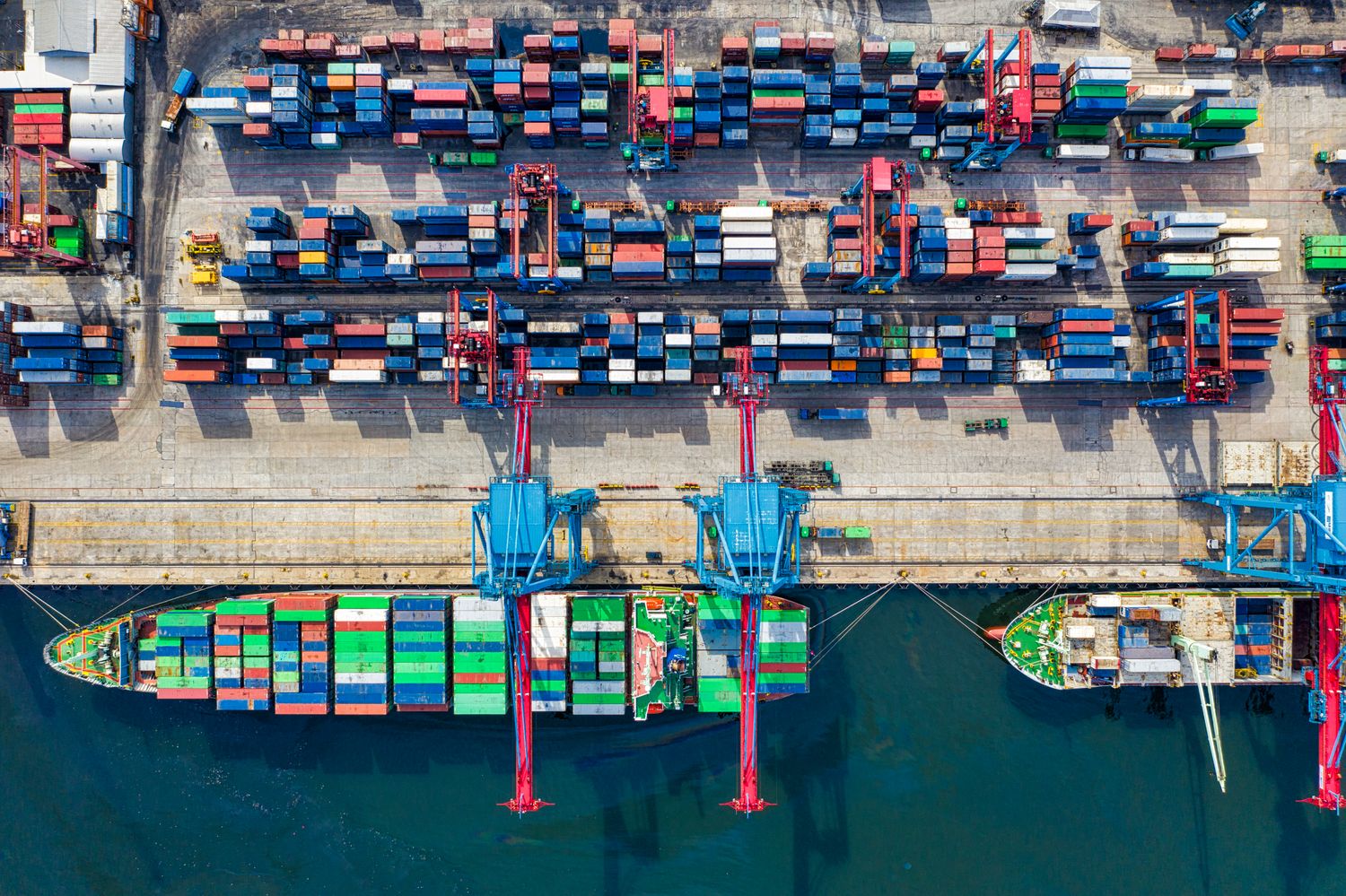
Drayage is the short-haul movement of ocean containers between ports, rail ramps, and nearby warehouses. It looks simple on a map, but it is where the most expensive surprises in international freight hide: demurrage, detention, and per-diem charges that accrue by the day.
For importers, a smooth drayage program is the difference between a predictable landed cost and a budget blown by accessorials. This guide covers how the pieces fit together and where Blue Eagle focuses to keep containers moving.
Demurrage vs. detention: know the clock you are on
The two charges are often confused, and confusing them costs money:
- Demurrage is charged by the terminal when a container sits inside the port past its allotted free time, waiting to be picked up.
- Detention is charged by the ocean carrier when you keep their container (and sometimes chassis) outside the terminal too long before returning it empty.
Free time is typically three to five business days, but it shrinks fast during congestion. The single best lever is pre-clearing customs before the vessel berths so the box is truly available the moment it discharges.
The chassis and appointment bottleneck
Two operational realities decide whether a container moves on time:
- Chassis availability. In many markets chassis are pooled and in short supply. A pre-arranged chassis strategy prevents a truck from showing up to a box it cannot legally move.
- Terminal appointments. Most major ports now require booked appointment windows. Missing a window can cost a full day of free time.
The container that clears customs early, has a chassis assigned, and holds a booked appointment is the container that never sees a demurrage invoice.
Building a resilient drayage plan
A strong program combines visibility and relationships:
- Track vessel ETAs and last-free-day dates on every container in one place.
- Stage empty returns so trucks are never idled waiting for an open return slot.
- Use transloading — stripping ocean containers into domestic trailers near the port — to escape per-diem clocks and consolidate freight for the long haul.
Blue Eagle handles the drayage leg — container moves to and from ports by truck — with real-time last-free-day monitoring, so importers see problems days before they become invoices.